

In the realm of electrical power systems, three - phase switchgear plays a pivotal role. As a well - established three - phase switchgear supplier, I have witnessed firsthand the importance and diverse functions of these crucial components. This blog aims to delve into the functions of three - phase switchgear, exploring its significance in ensuring the safe and efficient operation of electrical networks.
1. Circuit Protection
One of the primary functions of three - phase switchgear is circuit protection. Electrical systems are prone to various faults such as short - circuits and overloads. A short - circuit occurs when there is an unintended low - resistance connection between two points in an electrical circuit, which can lead to a large current flow. Overloads, on the other hand, happen when the current in a circuit exceeds its rated capacity.
Three - phase switchgear is equipped with protective devices like circuit breakers. Circuit breakers are designed to detect abnormal current levels. When a fault is detected, the circuit breaker quickly interrupts the flow of current, preventing damage to the electrical equipment and reducing the risk of fire or other safety hazards. For example, in an industrial setting where large motors and heavy machinery are used, the risk of short - circuits and overloads is relatively high. The three - phase switchgear with reliable circuit breakers can safeguard the entire electrical infrastructure.
2. Isolation
Isolation is another critical function of three - phase switchgear. In electrical maintenance and repair work, it is essential to isolate the faulty section of the circuit from the rest of the system. Three - phase switchgear provides a means to disconnect a particular part of the electrical network safely.
Isolators, which are part of the switchgear, are used to create a visible break in the circuit. This visible break ensures that maintenance personnel can work on the equipment without the risk of electrical shock. For instance, when servicing a transformer in a power substation, the isolation function of the three - phase switchgear allows the maintenance team to isolate the transformer from the incoming and outgoing power lines, providing a safe working environment.
3. Control
Three - phase switchgear also serves as a control center for electrical circuits. It enables operators to start, stop, and regulate the flow of electrical power. In large power plants or industrial complexes, multiple electrical loads need to be controlled simultaneously. The switchgear allows for centralized control, making it easier to manage the power distribution.
For example, in a manufacturing plant, different production lines may require different levels of power at different times. The three - phase switchgear can be used to control the power supply to each production line, ensuring that the right amount of power is delivered when needed. This not only improves the efficiency of the production process but also helps in reducing energy consumption.
4. Power Distribution
Efficient power distribution is a fundamental function of three - phase switchgear. In a three - phase electrical system, power is generated, transmitted, and distributed in three - phase form. The switchgear divides the incoming power into multiple circuits and distributes it to various loads such as motors, lighting systems, and other electrical equipment.
In a commercial building, the three - phase switchgear receives high - voltage power from the utility grid and steps it down to a suitable voltage level. It then distributes the power to different floors and areas of the building, ensuring that each area gets the required amount of power. This helps in maintaining a stable and reliable power supply throughout the building.
5. Monitoring and Metering
Modern three - phase switchgear is often equipped with monitoring and metering devices. These devices provide real - time information about the electrical parameters such as voltage, current, power factor, and energy consumption. By monitoring these parameters, operators can detect any abnormal conditions in the electrical system early on.
For example, a sudden drop in voltage or an increase in current may indicate a potential fault in the circuit. The monitoring devices in the switchgear can send alerts to the operators, allowing them to take corrective actions before a major problem occurs. Metering devices, on the other hand, are used to measure the amount of energy consumed by different loads. This information is crucial for billing purposes and for optimizing energy usage.
Our Product Offerings
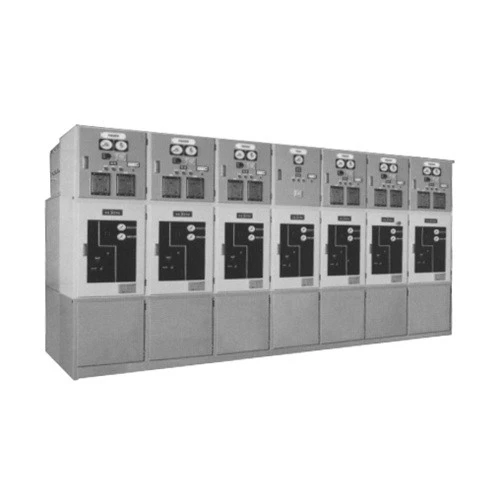
As a three - phase switchgear supplier, we offer a wide range of high - quality products to meet the diverse needs of our customers. Our product portfolio includes 10kV Intelligent Switching Station (Outdoor Ring Main Unit), which is designed for outdoor applications and provides intelligent control and protection functions. The 10kV Outdoor Cable Distribution Box is another product that is suitable for outdoor power distribution, offering reliable performance in harsh environmental conditions.
We also have the KYN61 - 40.5 Armored Drawout AC Metal - Clad Switchgear, which is a high - voltage switchgear suitable for medium - voltage power systems. This switchgear is known for its excellent insulation performance and high - reliability operation.

Conclusion
In conclusion, the functions of three - phase switchgear are diverse and essential for the safe, efficient, and reliable operation of electrical power systems. From circuit protection and isolation to control, power distribution, and monitoring, three - phase switchgear is at the heart of modern electrical infrastructure.
If you are in need of high - quality three - phase switchgear for your electrical project, we are here to help. Our team of experts can provide you with professional advice and customized solutions to meet your specific requirements. Contact us to start a procurement negotiation and take a step towards a more reliable electrical system.
References
- Electrical Power Systems: Analysis and Design by J. Duncan Glover, Mulukutla S. Sarma, and Thomas J. Overbye.
- Switchgear Handbook: A Guide to Low - Voltage Switchgear by Siemens AG.