

As a supplier of switchgear metal clad, I often get asked about the reactance values of these crucial pieces of equipment. Reactance is a key factor in understanding how switchgear metal clad operates and how it can best serve various electrical systems. In this blog, I'll dive into what reactance values are, why they matter, and how they relate to our switchgear metal clad products.
What is Reactance?
First off, let's quickly cover what reactance is. Reactance is basically the opposition that a circuit element offers to the flow of alternating current (AC) due to inductance or capacitance. It's measured in ohms, just like resistance, but it's a bit different. Resistance is all about dissipating electrical energy as heat, while reactance stores and releases energy in the form of a magnetic or electric field.
There are two types of reactance: inductive reactance (XL) and capacitive reactance (XC). Inductive reactance occurs in inductors, which are coils of wire that create a magnetic field when current flows through them. The formula for inductive reactance is XL = 2πfL, where f is the frequency of the AC signal and L is the inductance of the inductor. Capacitive reactance, on the other hand, happens in capacitors, which store electrical energy in an electric field. The formula for capacitive reactance is XC = 1 / (2πfC), where C is the capacitance of the capacitor.
Reactance in Switchgear Metal Clad
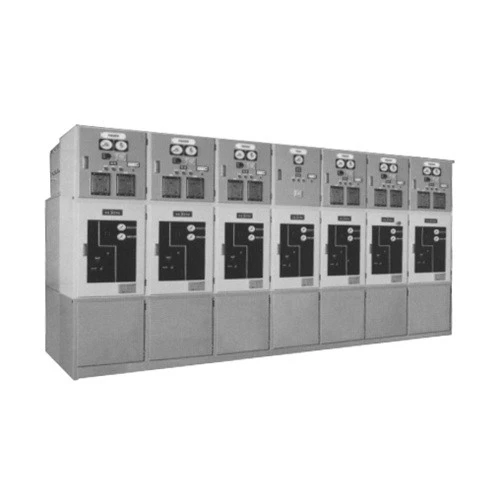
Now, let's talk about how reactance plays a role in switchgear metal clad. Switchgear metal clad is used to control, protect, and isolate electrical equipment in power systems. It's designed to handle high voltages and currents, and reactance values are crucial for ensuring its proper operation.
In a switchgear metal clad system, inductive reactance can be introduced by components like transformers, reactors, and the wiring itself. These components create magnetic fields that oppose changes in current flow, which can affect the overall performance of the switchgear. For example, a high inductive reactance can cause a voltage drop across the switchgear, leading to reduced efficiency and potential power quality issues.
Capacitive reactance, on the other hand, can be introduced by insulation materials, busbars, and the capacitance between conductors. Capacitive reactance can cause a leading current in the circuit, which can also affect the power factor and overall performance of the switchgear.
Importance of Reactance Values
So, why are reactance values so important in switchgear metal clad? Well, for starters, they can have a significant impact on the safety and reliability of the electrical system. If the reactance values are too high or too low, it can lead to overheating, voltage fluctuations, and even equipment failure.
For example, if the inductive reactance is too high, it can cause excessive voltage drops, which can damage sensitive electrical equipment. On the other hand, if the capacitive reactance is too high, it can cause a leading current, which can lead to power factor issues and increased energy consumption.
In addition to safety and reliability, reactance values also play a role in the design and selection of switchgear metal clad. By understanding the reactance values of the components in the system, engineers can optimize the design of the switchgear to ensure maximum efficiency and performance. This can lead to cost savings, reduced downtime, and improved overall system performance.
Our Switchgear Metal Clad Products
At our company, we offer a wide range of switchgear metal clad products that are designed to meet the needs of various electrical systems. Our products are built to the highest standards of quality and reliability, and we use the latest technology and materials to ensure optimal performance.
One of our popular products is the KYN28A - 12 Armored Drawout AC Metal - Clad Switchgear. This switchgear is designed for use in medium - voltage power systems and offers excellent protection and control capabilities. It's equipped with high - quality components that are carefully selected to ensure the right reactance values for optimal performance.
Another product we offer is the 10kV Outdoor Cable Distribution Box. This distribution box is designed for outdoor use and provides a reliable and efficient way to distribute power to various loads. It's built with robust materials that can withstand harsh environmental conditions and is designed to have the appropriate reactance values to ensure stable operation.
We also have the 10kV Intelligent Switching Station (Outdoor Ring Main Unit). This intelligent switching station is designed to provide advanced control and protection features for outdoor power systems. It uses smart technology to monitor and adjust the reactance values in real - time, ensuring optimal performance and energy efficiency.
Determining Reactance Values
Determining the reactance values of switchgear metal clad is a complex process that requires a thorough understanding of the electrical system and the components involved. Engineers typically use specialized software and testing equipment to measure and analyze the reactance values of the switchgear.
During the design phase, engineers will calculate the expected reactance values based on the specifications of the components and the layout of the system. They will then use this information to optimize the design of the switchgear to ensure that the reactance values are within the acceptable range.
Once the switchgear is installed, it's important to perform regular testing and maintenance to ensure that the reactance values remain stable over time. This can involve using equipment such as impedance analyzers and power quality analyzers to measure the reactance values and identify any potential issues.
Impact of Reactance on Power Quality
Reactance values can have a significant impact on power quality in a switchgear metal clad system. As mentioned earlier, high inductive reactance can cause voltage drops, which can lead to flickering lights, reduced equipment lifespan, and other power quality issues. Capacitive reactance, on the other hand, can cause leading currents, which can affect the power factor and result in increased energy costs.
To mitigate these issues, it's important to carefully manage the reactance values in the switchgear. This can involve using power factor correction devices, such as capacitors, to balance the inductive and capacitive reactance in the system. By maintaining a balanced reactance, we can improve the power factor, reduce energy consumption, and enhance the overall power quality of the electrical system.

Contact Us for Your Switchgear Needs
If you're in the market for switchgear metal clad, we'd love to talk to you. Whether you're looking for a specific product or need help with the design and installation of a custom switchgear system, our team of experts is here to assist you. We can provide you with detailed information about the reactance values of our products and how they can benefit your electrical system.
Don't hesitate to reach out to us to start a conversation about your switchgear requirements. We're committed to providing you with the best possible solutions and ensuring your complete satisfaction.
References
- Electric Power Systems: Analysis and Design, by J. Duncan Glover, Mulukutla S. Sarma, and Thomas J. Overbye.
- Power System Engineering, by John J. Grainger and William D. Stevenson Jr.