

As global power distribution networks transition toward higher sustainability standards, decommissioning and recycling end-of-life switchgear systems has become a top priority for utility companies, EPC contractors, and industrial operators.
Proper recycling reduces environmental hazard risks-especially regarding greenhouse gases and heavy metals-while maximizing the recovery value of premium raw materials like high-purity copper and aluminum.
As a leading OEM manufacturer of medium and high-voltage electrical equipment, Zhejiang Gangheng Electric Co., Ltd. (GangHeng) incorporates recyclability into every stage of equipment manufacturing. In this guide, we break down the step-by-step process for safely decommissioning and recycling switchgear components in compliance with international standards.
Key Recyclable Materials in Switchgear Equipment
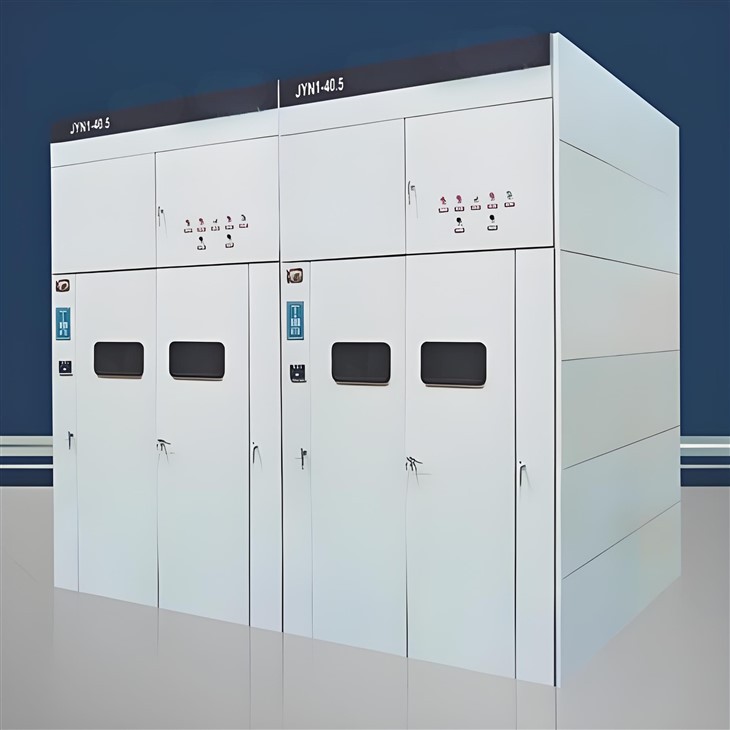
Modern switchgear cabinets (such as KYN28A-12 high-voltage switchgear or GCS low-voltage withdrawable switchgear) consist of high-value recyclable metals and engineered insulation materials:
Copper Busbars & Contacts: High-purity T2 copper busbars offer maximum scrap value and can be melted down with virtually zero performance loss.
Structural Steel & Enclosures: High-quality Al-Zn (aluminum-zinc) coated steel sheets processed by precision CNC bending are 100% recyclable.
Vacuum Interrupters & Circuit Breakers: Contain valuable metals including stainless steel, copper, and specialized contact alloys.
SF6 Gas (In SF6 Insulated Equipment): Must be collected using specialized recovery systems to prevent atmospheric release.
Step-by-Step Process for Recycling Switchgear Systems
Step 1: Safe Decommissioning and Isolation
Before disassembly, ensure the system is completely de-energized, isolated, and grounded according to standard safety lock-out/tag-out (LOTO) procedures.
Step 2: SF6 Gas Recovery (Critical for Gas-Insulated Switchgear)
For SF6 insulated ring main units (RMU) or gas-insulated switchgear (GIS):
Extraction: Use an IEC 62271-4 compliant SF6 recovery unit to evacuate the gas from the switchgear compartment.
Purification & Liquefaction: The gas is filtered to remove moisture and decomposition products, compressed, and stored in gas cylinders for re-use or certified destruction.
Never vent SF6 gas into the atmosphere.
Step 3: Mechanical Disassembly & Material Sorting
Once safely depressurized and cleared, dismantle the cabinet using industrial hand tools and cranes:
Busbar Separation: Unbolt copper and aluminum busbars from support insulators. Clean off any residual anti-oxidation grease.
Circuit Breakers & Contactors: Remove vacuum bottles, magnetic actuators, and control relays. Separate internal copper wiring harnesses from plastic housings.
Enclosure Dismantling: Unbolt the Al-Zn steel doors, side panels, and internal partitions.
Step 4: Material Processing and Recycling Channels
| Material / Component | Recycling Method | Environmental & Economic Value |
| Copper Busbars / Cables | Shredding, melting, and refining in metallurgical plants | High scrap resale value; saves 85% energy vs. primary copper mining |
| Al-Zn Coated Steel Enclosures | Direct steel scrap processing and electric arc furnace smelting | High re-usability; reduced industrial carbon footprint |
| Vacuum Interrupters | Specialized dismantling to extract copper and stainless steel | Safe disposal of sealed vacuum chambers |
| Epoxy Resin Insulators | Mechanical shredding for industrial aggregate filler or thermal energy recovery | Prevents landfill contamination |
Designing for Sustainability: The GangHeng Advantage
At GangHeng Electric, we believe effective recycling starts at the engineering stage. Our KYN61-40.5, KYN28-12, and Substation equipment are built using modular design principles:
Modular Assembly: Fast unbolting processes reduce labor time during end-of-life decommissioning.
Standardized Materials: Premium Al-Zn plates and high-grade T2 copper ensure higher residual market value when equipment reaches the end of its 20 to 30-year operational lifecycle.
Eco-Compliant Insulation: We optimize the use of non-toxic, recyclable insulation materials compliant with ISO14001 environmental management standards.

Partner with GangHeng Electric
Whether you need customized high/low voltage switchgear cabinets or guidance on equipment modernization and replacement, GangHeng Electric delivers high-performance solutions tailored to power plants, substations, and global EPC projects.
Website: ghswitchcabinet.com
Email: zjgh2@ghswitchcabinet.com
References
- American National Standards Institute (ANSI). (2023). ANSI C37.20.2 - Metal-Enclosed Low-Voltage Power Circuit Breaker Switchgear.
- International Electrotechnical Commission (IEC). (2023). IEC 62271-1 - High-Voltage Switchgear and Controlgear - Part 1: Common Specifications.
- Institute of Electrical and Electronics Engineers (IEEE). (2023). IEEE C37.04 - Standard Rating Structure for AC High-Voltage Circuit Breakers Rated on a Symmetrical Current Basis.