

What is the cost of transmission switchgear?
As a seasoned supplier in the field of transmission switchgear, I've witnessed firsthand the complexities and nuances surrounding the cost of these essential electrical components. Transmission switchgear plays a critical role in the power distribution system, ensuring the safe and efficient transfer of electricity from generation sources to end - users. In this blog, I'll delve into the various factors that contribute to the cost of transmission switchgear and provide some insights for those considering purchasing these products.
Factors Affecting the Cost of Transmission Switchgear
1. Type of Switchgear
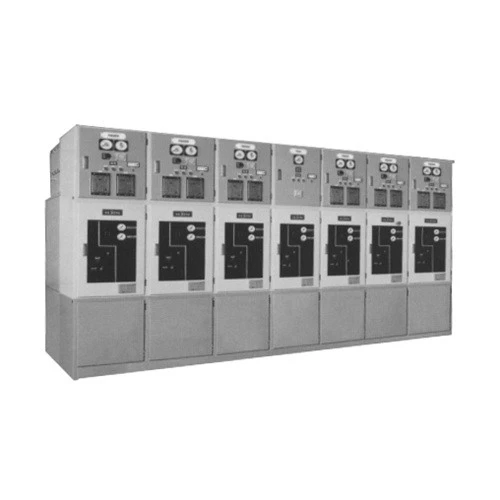
There are different types of transmission switchgear available in the market, each with its own set of features, applications, and cost implications. For example, the XGN15 - 12(F/F.R) Box - Type Fixed AC Metal - Clad Switchgear is a popular choice for medium - voltage applications. It offers a compact design and reliable performance, but its cost can vary depending on the specific configuration and additional features.
On the other hand, the KYN61 - 40.5 Armored Drawout AC Metal - Clad Switchgear is designed for high - voltage applications. It provides enhanced safety and flexibility due to its drawout design, which allows for easy maintenance and replacement of components. However, the advanced technology and construction of this type of switchgear generally result in a higher cost compared to the box - type fixed switchgear.
The 10kV Intelligent Switching Station (Outdoor Ring Main Unit) is another option, especially suitable for outdoor installations. Its intelligent features, such as remote monitoring and control, add value but also contribute to the overall cost.
2. Voltage Rating
The voltage rating of the switchgear is a significant determinant of its cost. Higher - voltage switchgear requires more robust insulation materials, larger conductors, and more sophisticated protection mechanisms. For instance, a switchgear designed for a 110kV system will be more expensive than one for a 10kV system. This is because the components need to be able to withstand higher electrical stresses and ensure the safety of the personnel and the equipment.
3. Current Rating
Similar to the voltage rating, the current rating also affects the cost. Switchgear with a higher current - carrying capacity needs larger conductors and more powerful contacts to handle the increased electrical load. This means more material is required, and the manufacturing process becomes more complex, leading to a higher price.
4. Brand and Quality
Well - known brands in the switchgear industry often command a premium price. These brands have a reputation for high - quality products, reliable performance, and excellent after - sales service. They invest heavily in research and development, quality control, and testing to ensure that their switchgear meets or exceeds industry standards. While the initial cost may be higher, the long - term benefits, such as reduced downtime and lower maintenance costs, can make it a worthwhile investment.
5. Additional Features and Accessories
Modern transmission switchgear can come with a variety of additional features and accessories. For example, some switchgear is equipped with intelligent monitoring systems that can detect faults in real - time, predict maintenance needs, and provide valuable data for system optimization. Other accessories may include circuit breakers with different tripping characteristics, arc - flash protection devices, and communication interfaces for integration with the power grid management system. Each of these additional features adds to the overall cost of the switchgear.
6. Customization
If the customer requires customized switchgear to meet specific application requirements, the cost will increase. Customization may involve modifying the physical dimensions, adding special functions, or integrating with existing equipment. The engineering and manufacturing processes for customized switchgear are more complex and time - consuming, which is reflected in the price.

Cost Breakdown
Let's take a closer look at a typical cost breakdown of transmission switchgear. The major cost components include:
1. Raw Materials
The cost of raw materials, such as copper, aluminum, steel, and insulation materials, accounts for a significant portion of the total cost. Fluctuations in the prices of these raw materials in the global market can have a direct impact on the switchgear cost. For example, if the price of copper increases, the cost of the conductors in the switchgear will also go up.
2. Manufacturing Labor
The labor cost involved in the manufacturing process, including assembly, testing, and quality control, is another important factor. Skilled workers are required to ensure that the switchgear is assembled correctly and functions properly. In regions with higher labor costs, the overall manufacturing cost of the switchgear will be relatively higher.
3. Research and Development
Companies invest in research and development to improve the performance, safety, and efficiency of their switchgear. The cost of R & D is amortized over the production volume and is reflected in the product price. New technologies, such as smart grid - compatible switchgear, require continuous innovation, which adds to the cost.
4. Overhead Costs
Overhead costs include expenses such as rent, utilities, administrative costs, and marketing. These costs are spread across the products and contribute to the final price of the switchgear.
Cost - Benefit Analysis
When considering the cost of transmission switchgear, it's essential to conduct a cost - benefit analysis. While it may be tempting to choose the cheapest option, it's important to evaluate the long - term costs and benefits. A low - cost switchgear may have a higher failure rate, require more frequent maintenance, and cause longer downtime in case of a fault. On the other hand, a high - quality, more expensive switchgear may offer better reliability, longer service life, and lower overall operating costs.
Contact for Purchase and Negotiation
If you're in the market for transmission switchgear and want to discuss your specific requirements, we're here to help. We understand that every project is unique, and we can work with you to find the most cost - effective solution that meets your needs. Whether you need a standard off - the - shelf switchgear or a customized one, our team of experts will provide you with professional advice and a competitive quote.
References
- IEEE Standards Association. IEEE standards for electrical switchgear.
- International Electrotechnical Commission (IEC). IEC standards related to high - voltage switchgear.
- Industry reports on the global transmission switchgear market.