

Noise is an often-overlooked aspect when considering the performance and impact of a switchgear power system. As a supplier of switchgear power systems, understanding the noise levels associated with these systems is crucial for both our customers and us. In this blog, we will delve into the various factors that contribute to the noise levels in a switchgear power system, the implications of these noise levels, and how we can manage and mitigate them.
Sources of Noise in Switchgear Power Systems
Switchgear power systems are complex assemblies of electrical components designed to control, protect, and isolate electrical equipment. The noise generated by these systems can stem from multiple sources.
1. Electromagnetic Noise
One of the primary sources of noise in a switchgear power system is electromagnetic noise. When electrical current flows through conductors and coils, it creates magnetic fields. These magnetic fields can interact with nearby components, causing them to vibrate and generate noise. For example, in transformers within the switchgear, the alternating magnetic field can cause the core laminations to vibrate, resulting in a humming sound. This humming is typically a low-frequency noise, often in the range of 50 - 60 Hz, which corresponds to the frequency of the power supply in most regions.
2. Mechanical Noise
Mechanical noise is another significant contributor to the overall noise levels in a switchgear power system. Moving parts such as circuit breakers, contactors, and relays can produce noise when they operate. Circuit breakers, for instance, use mechanical mechanisms to open and close electrical circuits. The rapid movement of these mechanisms can generate impact and friction noise. Similarly, contactors and relays may produce clicking sounds when their contacts open and close. These mechanical noises are usually of a higher frequency compared to electromagnetic noise and can be more noticeable in a quiet environment.
3. Cooling System Noise
Many switchgear power systems are equipped with cooling systems to dissipate the heat generated by electrical components. These cooling systems, such as fans and pumps, can be a major source of noise. Fans create noise as they move air through the switchgear enclosure. The noise level of a fan depends on factors such as its size, speed, and design. Larger fans operating at high speeds generally produce more noise than smaller, slower fans. Pumps used in liquid cooling systems can also generate noise due to the flow of fluid and the operation of the pump motor.
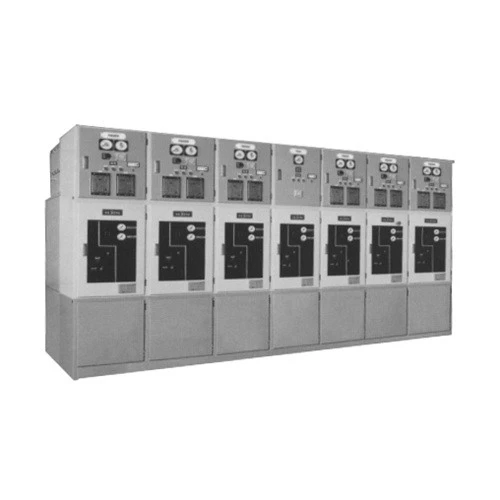

Noise Levels Associated with Different Types of Switchgear
The noise levels associated with a switchgear power system can vary depending on its type and design. Let's take a look at some common types of switchgear and their typical noise characteristics.
KYN28A - 12 Armored Drawout AC Metal - Clad Switchgear
The KYN28A - 12 Armored Drawout AC Metal - Clad Switchgear is a popular type of switchgear used in medium - voltage applications. This switchgear is designed with a modular and drawout structure, which allows for easy maintenance and replacement of components. The noise levels of the KYN28A - 12 switchgear are mainly influenced by the operation of its circuit breakers and the cooling system. Under normal operating conditions, the noise level of this switchgear is typically in the range of 60 - 70 dB(A) at a distance of 1 meter from the enclosure. However, during the opening and closing of the circuit breakers, the noise level can temporarily increase to around 80 dB(A).
10kV Intelligent Switching Station (Outdoor Ring Main Unit)
The 10kV Intelligent Switching Station (Outdoor Ring Main Unit) is designed for outdoor use and is often used in distribution networks. This type of switchgear is usually more compact and has fewer moving parts compared to indoor switchgear. The noise sources in a 10kV intelligent switching station mainly include the operation of its load switches and the cooling fans. The noise level of an outdoor ring main unit is generally lower than that of indoor switchgear, typically in the range of 50 - 60 dB(A) at a distance of 1 meter from the unit. However, environmental factors such as wind and rain can also affect the perceived noise level.
XGN15 - 12(F/F.R) Box - Type Fixed AC Metal - Clad Switchgear
The XGN15 - 12(F/F.R) Box - Type Fixed AC Metal - Clad Switchgear is a fixed - type switchgear commonly used in medium - voltage distribution systems. This switchgear has a relatively simple structure and fewer moving parts compared to drawout switchgear. The main sources of noise in the XGN15 - 12 switchgear are the electromagnetic noise from its transformers and the mechanical noise from its contactors. The noise level of this switchgear is typically in the range of 55 - 65 dB(A) at a distance of 1 meter from the enclosure.
Implications of Noise Levels in Switchgear Power Systems
The noise levels associated with a switchgear power system can have several implications, both for the users and the environment.
1. Human Health and Comfort
Exposure to high noise levels can have a negative impact on human health and comfort. Prolonged exposure to noise levels above 85 dB(A) can cause hearing damage, including noise - induced hearing loss. Even at lower noise levels, continuous exposure can lead to stress, fatigue, and reduced productivity. In industrial settings where switchgear power systems are installed, workers may be exposed to the noise for extended periods. Therefore, it is important to keep the noise levels within acceptable limits to protect the health and well - being of the workers.
2. Environmental Impact
Noise pollution is a significant environmental concern. High - noise switchgear power systems can contribute to the overall noise level in the surrounding area, affecting nearby residents and wildlife. In urban areas, excessive noise from switchgear can disrupt the peace and quiet of residential neighborhoods. In natural areas, it can disturb the behavior and habitat of wildlife. Therefore, reducing the noise levels of switchgear power systems is an important aspect of environmental protection.
3. Regulatory Compliance
Many countries and regions have regulations and standards regarding noise emissions from electrical equipment. Switchgear power system suppliers need to ensure that their products comply with these regulations. Failure to meet the noise standards can result in fines, legal issues, and damage to the company's reputation. Therefore, managing the noise levels of switchgear is not only important for the end - users but also for the suppliers.
Managing and Mitigating Noise in Switchgear Power Systems
As a switchgear power system supplier, we are committed to providing our customers with products that have low noise levels. Here are some of the strategies we use to manage and mitigate noise in our switchgear:
1. Design Optimization
We focus on optimizing the design of our switchgear to reduce noise generation. This includes using high - quality materials with good vibration - damping properties, such as rubber gaskets and sound - absorbing materials. We also design the layout of the components within the switchgear enclosure to minimize the interaction between magnetic fields and mechanical parts. For example, we use proper spacing between transformers and other components to reduce the magnetic coupling and vibration transfer.
2. Component Selection
The selection of components plays a crucial role in determining the noise levels of a switchgear power system. We carefully select low - noise components, such as circuit breakers, contactors, and fans. For circuit breakers, we choose models that have smooth and quiet operation mechanisms. For fans, we select energy - efficient models with low - noise designs.
3. Enclosure Design
The design of the switchgear enclosure can also have a significant impact on noise reduction. We use enclosures with good sound - insulation properties to contain the noise generated by the internal components. The enclosure is designed to have a tight seal to prevent noise leakage. Additionally, we can add sound - absorbing panels inside the enclosure to further reduce the noise level.
Contact Us for Noise - Friendly Switchgear Solutions
If you are in the market for a switchgear power system and are concerned about noise levels, we are here to help. Our team of experts can provide you with detailed information about the noise characteristics of our products and recommend the most suitable switchgear for your specific application. We are committed to delivering high - quality, low - noise switchgear solutions that meet your needs and comply with all relevant regulations. Contact us today to start a discussion about your switchgear requirements and explore how we can provide you with the best noise - friendly options.
References
- IEEE Standard for Measuring Sound Levels from Electric Power Apparatus, IEEE Std C57.12.90 - 2010.
- International Electrotechnical Commission (IEC) standards related to noise emissions from electrical equipment.
- "Electrical Power Systems Quality" by Roger C. Dugan, Mark F. McGranaghan, and Surya Santoso.