

Hey there! As a metal enclosed switchgear supplier, I often get asked if our gear can be used in high - frequency power systems. So, I thought I'd sit down and share my thoughts on this topic.
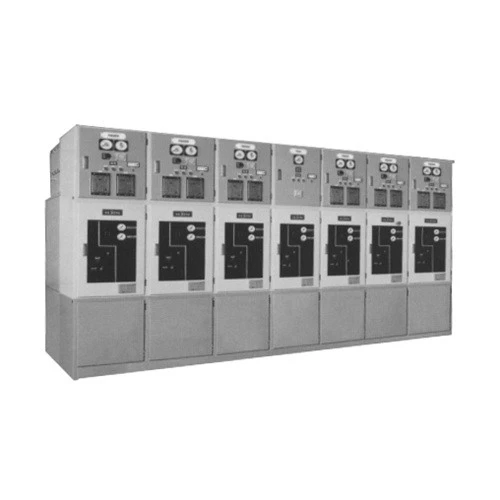
First off, let's quickly go over what metal enclosed switchgear is. It's basically a type of electrical equipment that's used to control, protect, and isolate electrical circuits. It comes in different types and sizes, and it's designed to keep the electrical components safe and secure inside a metal enclosure. This helps prevent any accidental contact with live parts and also protects the equipment from environmental factors like dust and moisture.
Now, high - frequency power systems are a bit different. These systems operate at frequencies higher than the standard 50 or 60 Hz that we're used to in most power grids. High - frequency power systems are commonly used in things like induction heating, radio frequency (RF) applications, and some advanced power conversion systems.
The big question is, can metal enclosed switchgear handle these high - frequency applications? Well, it's not a straightforward yes or no answer.
One of the main challenges with using metal enclosed switchgear in high - frequency power systems is the issue of skin effect. The skin effect is a phenomenon where, at high frequencies, the alternating current tends to flow near the surface of a conductor rather than uniformly throughout its cross - section. This can increase the effective resistance of the conductors in the switchgear, leading to higher power losses and potentially overheating.
Another concern is the electromagnetic interference (EMI). High - frequency signals can generate electromagnetic fields that might interfere with the normal operation of the switchgear's control and protection circuits. This could cause false tripping or other malfunctions, which is definitely not something you want in a power system.
However, that doesn't mean it's impossible to use metal enclosed switchgear in high - frequency power systems. With the right design and engineering, we can mitigate these issues.
For example, we can use conductors with special geometries or materials that are less affected by the skin effect. Some manufacturers are now using hollow conductors or conductors made of materials with better high - frequency conductivity. This helps to reduce the impact of the skin effect and keep the power losses in check.
To deal with EMI, we can incorporate shielding techniques in the design of the metal enclosure. A well - designed shield can block the electromagnetic fields from interfering with the internal components of the switchgear. We can also use filters and other EMI suppression devices in the control circuits to further reduce the risk of interference.
Let's take a look at some of the products we offer. We have the XGN15 - 12(F/F.R) Box - Type Fixed AC Metal - Clad Switchgear. This switchgear is designed with high - quality materials and advanced manufacturing techniques. While it's primarily designed for standard frequency applications, with some modifications, it could potentially be used in high - frequency systems. The metal enclosure provides a good level of protection, and we can work on optimizing the conductor design to handle high - frequency currents.
Another product is the KYN28A - 12 Armored Drawout AC Metal - Clad Switchgear. This switchgear is known for its reliability and flexibility. It has a modular design, which makes it easier to make modifications for high - frequency applications. We can add special components and shielding to make it more suitable for high - frequency power systems.
We also have the 10kV Intelligent Switching Station (Outdoor Ring Main Unit). This outdoor unit is built to withstand harsh environmental conditions. For high - frequency applications, we can focus on improving the insulation and EMI protection to ensure its proper operation.

When considering using metal enclosed switchgear in high - frequency power systems, it's also important to do thorough testing. We need to test the switchgear under high - frequency conditions to make sure it can meet the performance requirements. This includes testing for power losses, temperature rise, and the functionality of the control and protection circuits.
In conclusion, while there are challenges in using metal enclosed switchgear in high - frequency power systems, it's definitely possible with the right approach. As a supplier, we're constantly working on improving our products and finding solutions to these challenges. If you're in the market for switchgear for a high - frequency power system, don't hesitate to reach out. We can have a detailed discussion about your specific requirements and see how we can customize our products to meet your needs. Whether it's modifying an existing design or developing a completely new solution, we're here to help. So, if you're interested in learning more or starting a procurement discussion, just let us know.
References
- Electrical Power Systems Basics by John J. Grainger and William D. Stevenson
- High - Frequency Power Conversion Handbook by Ned Mohan