

As a supplier of Metal Enclosed Switchgear, I understand the importance of effectively using the monitoring system of these crucial electrical devices. Metal Enclosed Switchgear is widely used in various industries to control, protect, and isolate electrical equipment. The monitoring system plays a vital role in ensuring the safe and reliable operation of the switchgear. In this blog, I will share some insights on how to use the monitoring system of Metal Enclosed Switchgear.
Understanding the Monitoring System
Before delving into how to use the monitoring system, it is essential to understand its components and functions. The monitoring system of Metal Enclosed Switchgear typically includes sensors, controllers, and communication interfaces. Sensors are used to measure various parameters such as temperature, current, voltage, and pressure. These sensors collect data and transmit it to the controllers.
The controllers process the data and provide real - time information about the status of the switchgear. They can also issue alarms when abnormal conditions are detected. The communication interfaces allow the monitoring system to connect to other devices or systems, such as a central control room or a remote monitoring station.
Installation and Setup
The first step in using the monitoring system is proper installation and setup. When installing the Metal Enclosed Switchgear, ensure that the sensors are correctly placed in the appropriate locations. For example, temperature sensors should be installed near critical components such as circuit breakers and busbars to accurately monitor their temperature.
During the setup process, configure the controllers according to the specific requirements of the switchgear. Set the alarm thresholds for various parameters. For instance, if the temperature of a circuit breaker exceeds a certain value, the controller should trigger an alarm. Also, establish the communication settings to ensure seamless data transfer between the monitoring system and other devices.
Real - Time Monitoring
Once the monitoring system is installed and set up, real - time monitoring can begin. Regularly check the monitoring interface to view the current status of the switchgear. Pay attention to parameters such as current, voltage, and temperature. Abnormal changes in these parameters may indicate potential problems.
For example, if the current in a particular circuit is significantly higher than normal, it could be a sign of a short - circuit or overloading. Similarly, a sudden increase in temperature may suggest a problem with the electrical connections or a malfunctioning component. By continuously monitoring these parameters, you can detect issues early and take preventive measures.
Historical Data Analysis
In addition to real - time monitoring, historical data analysis is also crucial. The monitoring system usually stores historical data about the switchgear's operation. Analyzing this data can help you identify trends and patterns.
For example, by analyzing the temperature data over a period of time, you can determine if there is a gradual increase in temperature, which may indicate a developing problem. You can also use historical data to evaluate the performance of the switchgear over time and make informed decisions about maintenance and upgrades.
Alarm Management
The monitoring system is equipped with an alarm function to alert operators when abnormal conditions occur. It is important to manage these alarms effectively. When an alarm is triggered, the first step is to verify the alarm. Sometimes, false alarms can occur due to sensor malfunctions or temporary glitches.
Once the alarm is verified, take appropriate actions. If it is a minor issue, such as a slight deviation in temperature, you may choose to monitor the situation closely. However, if it is a serious problem, such as a short - circuit, immediate action should be taken to isolate the faulty section and prevent further damage.
Integration with Other Systems
The monitoring system of Metal Enclosed Switchgear can be integrated with other systems for more comprehensive control and management. For example, it can be integrated with the building management system (BMS) in a commercial building. This integration allows for centralized control and monitoring of the electrical system along with other building systems such as HVAC and lighting.
It can also be integrated with the power grid management system. This enables the switchgear to communicate with the grid and respond to grid - related events such as power outages or voltage fluctuations.
Product - Specific Considerations
We offer a range of Metal Enclosed Switchgear products, each with its own unique features and monitoring requirements. For example, the JYN1 - 40.5 Compartmentalized Drawout AC Metal - Clad Switchgear is designed for high - voltage applications. Its monitoring system focuses on parameters such as high - voltage insulation, current flow, and temperature of the drawout components.

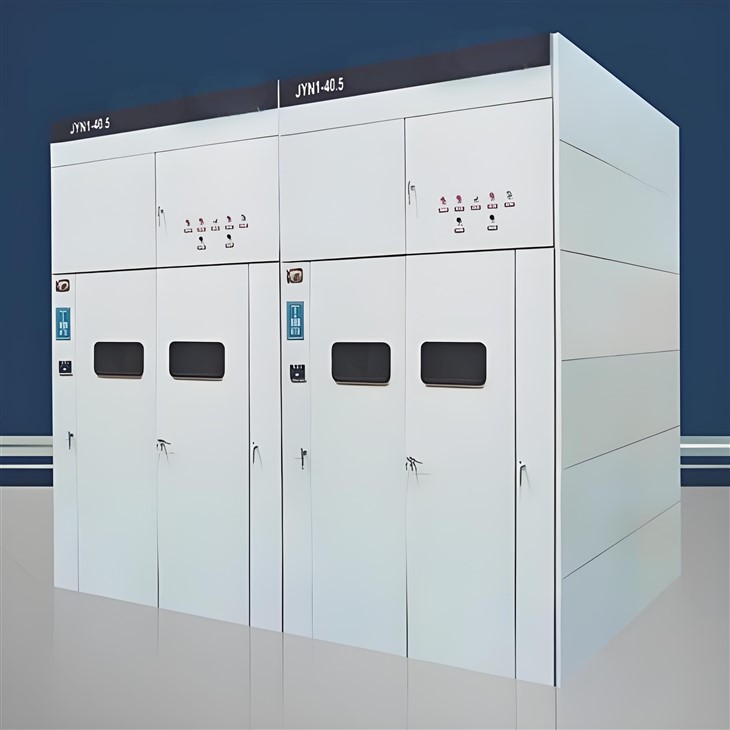
The KYN61 - 40.5 Armored Drawout AC Metal - Clad Switchgear is known for its robust construction and reliable performance. The monitoring system of this switchgear pays special attention to the integrity of the armored enclosure and the operation of the drawout units.
The XGND - 12 Box - Type Fixed AC Metal Switchgear is a cost - effective solution for medium - voltage applications. Its monitoring system is optimized to monitor basic parameters such as voltage, current, and temperature in a simple and efficient manner.
Training and Support
To ensure the proper use of the monitoring system, it is important to provide training to the operators and maintenance personnel. Training should cover the installation, setup, operation, and troubleshooting of the monitoring system. It should also include how to interpret the data and respond to alarms.
In addition to training, we also provide technical support. Our team of experts is available to assist with any issues or questions related to the monitoring system of our Metal Enclosed Switchgear.
Conclusion
Effectively using the monitoring system of Metal Enclosed Switchgear is essential for ensuring the safe and reliable operation of electrical systems. By understanding the components and functions of the monitoring system, properly installing and setting it up, conducting real - time monitoring and historical data analysis, managing alarms, integrating with other systems, and considering product - specific requirements, you can maximize the performance of the switchgear.
If you are interested in our Metal Enclosed Switchgear products or need more information about using the monitoring system, we welcome you to contact us for a procurement discussion. Our team is ready to provide you with the best solutions tailored to your specific needs.
References
- Electrical Power Systems Handbook, McGraw - Hill
- Switchgear Technology and Applications, Wiley