

Hey there! As a switchgear cost supplier, I've been in the thick of projects where analyzing switchgear costs is super crucial. It's not just about slapping a price tag on things; it's a whole process that can make or break a project's budget. So, let's dig into how to analyze switchgear cost in a project.
Understanding the Basics
First off, you gotta know what switchgear is. Simply put, it's a device that controls, protects, and isolates electrical equipment. Think of it as the traffic cop of an electrical system, making sure everything runs smoothly and safely. When you're starting to analyze costs, you need to understand the different types of switchgear available. There are low - voltage, medium - voltage, and high - voltage switchgears, each with its own price range and applications.
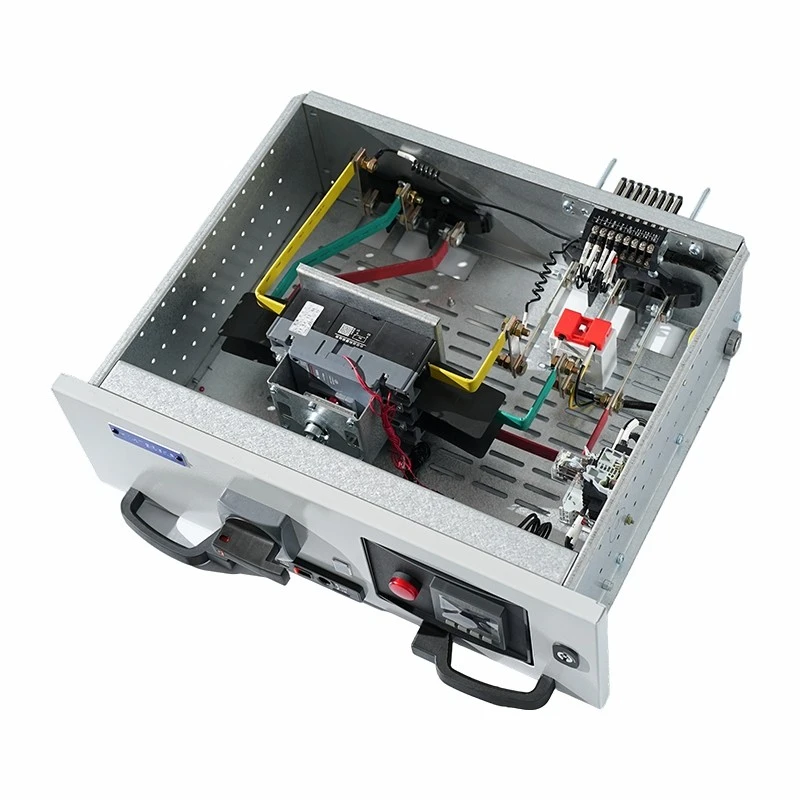
For example, the GCS Type Low - Voltage Drawout Complete Switchgear is great for low - voltage applications. It's designed to handle lower electrical loads and is often used in commercial buildings, small industrial setups, and residential complexes. The cost of this type of switchgear depends on factors like its capacity, the number of circuits it can handle, and the quality of its components.
Factors Affecting Switchgear Cost
Let's talk about the key factors that can jack up or bring down the cost of switchgear in a project.
1. Voltage Rating
As I mentioned earlier, the voltage rating is a major factor. High - voltage switchgears are more expensive than low - voltage ones. This is because they need to be built with better insulation, more robust components, and advanced safety features to handle the higher electrical stress. For instance, a project that requires a high - voltage switchgear for a large industrial plant will have a significantly higher cost compared to a project using low - voltage switchgear for a small office building.

2. Capacity
The capacity of the switchgear, measured in amperes, also plays a big role. A switchgear with a higher ampere rating can handle more electrical current, which means it needs larger conductors, bigger circuit breakers, and more powerful components. So, if your project has high - power equipment like large motors or heavy machinery, you'll need a high - capacity switchgear, and that'll cost you more.
3. Quality of Components
The quality of the components used in the switchgear can make a huge difference in cost. High - quality circuit breakers, relays, and contactors are more reliable and durable, but they also come with a higher price tag. Cheaper components might save you some money upfront, but they could lead to more maintenance issues and breakdowns in the long run, which can end up costing you more.
4. Customization
If your project has specific requirements, you might need a customized switchgear. Customization can include things like special enclosures, unique circuit configurations, or integration with other electrical systems. Custom - built switchgears are more expensive because they require additional design work, engineering, and manufacturing time.
Cost Analysis Process
Now that we know what affects the cost, let's go through the cost analysis process.
Step 1: Define Project Requirements
The first step is to clearly define the project requirements. You need to know the voltage level, the capacity, the number of circuits, and any special features or customizations needed. This information will help you narrow down the type of switchgear you need and get accurate cost estimates.
Step 2: Research and Compare Suppliers
Once you have your requirements, it's time to research and compare different switchgear suppliers. Look at their product offerings, prices, and customer reviews. As a switchgear cost supplier myself, I know that different suppliers can have different pricing strategies. Some might offer lower prices but with lower - quality products, while others might charge more for high - end, reliable switchgears.
Step 3: Get Detailed Quotes
Contact the short - listed suppliers and ask for detailed quotes. The quotes should include the cost of the switchgear itself, any installation costs, shipping fees, and maintenance charges. Make sure the quotes are itemized so you can see exactly what you're paying for.
Step 4: Consider Lifecycle Costs
When analyzing the cost, don't just focus on the upfront cost. Consider the lifecycle costs of the switchgear, which include maintenance, repairs, and energy consumption over its lifespan. A cheaper switchgear might have higher maintenance costs in the long run, while a more expensive one could be more energy - efficient and require less maintenance.
Step 5: Risk Assessment
Assess the risks associated with each switchgear option. For example, if a supplier offers a very low - cost switchgear but has a poor reputation for quality, there's a higher risk of breakdowns and downtime. Factor in these risks when making your decision.
Transformer Costs and Their Impact
Transformers are often used in conjunction with switchgear, and their costs can also impact the overall project budget. There are different types of transformers, such as dry transformers and oil - immersed transformers.
The SCB13 10kV 1000kVA Epoxy Resin Cast Copper Winding Dry Transformer is a popular choice for many projects. Dry transformers are safer and more environmentally friendly, but they can be more expensive than oil - immersed transformers. On the other hand, the 35kV Double Winding Load Regulating Oil Immersed Power Transformer is often used for high - voltage applications. The cost of transformers depends on factors like their capacity, voltage rating, and type of winding.
When analyzing the switchgear cost in a project, you need to consider the cost of transformers as well. The two are often interconnected, and a change in the transformer requirements can affect the switchgear selection and cost.
Making the Right Decision
After going through the cost analysis process, it's time to make the right decision. Choose the switchgear and transformer combination that best meets your project requirements, budget, and risk tolerance. Remember, the cheapest option isn't always the best. Sometimes, it's worth investing a little more upfront to get a high - quality, reliable switchgear that will save you money in the long run.
If you're in the process of planning a project and need help with switchgear cost analysis, don't hesitate to reach out. As a switchgear cost supplier, I have the expertise and experience to guide you through the process and help you find the most cost - effective solution for your project. Whether you need a simple low - voltage switchgear or a complex high - voltage system, I can assist you in making the right choice.
References
- Electrical Power Systems Design and Analysis by Turan Gonen
- Handbook of Electrical Engineering by Frank D. Petruzella
So, if you're ready to start your project and want to get the best deal on switchgear, let's have a chat. I'm here to help you make the most of your budget and ensure your project runs smoothly.